Prepare for a vet call with an observation log
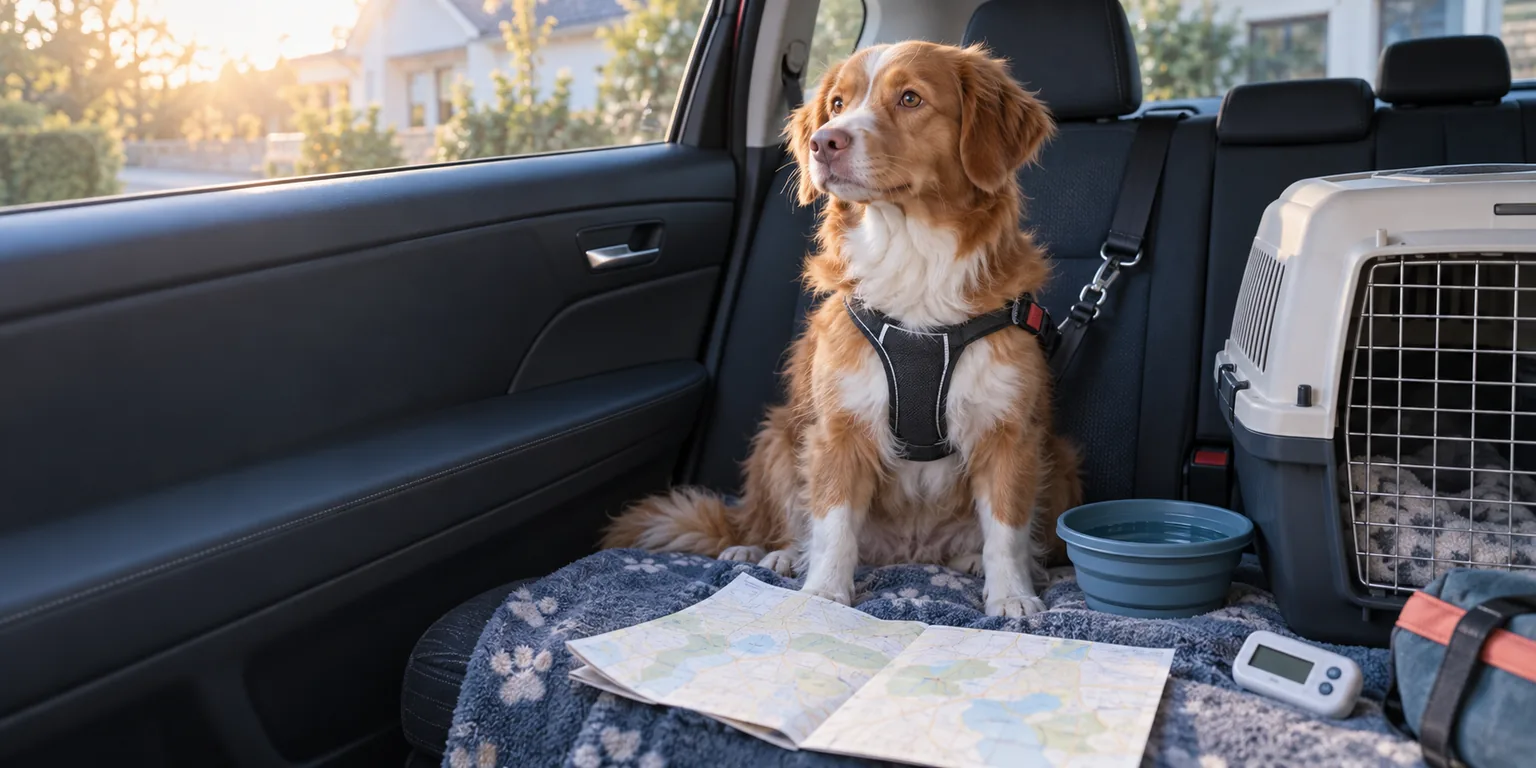
A vet can work more efficiently from a clear timeline than from a label you found online. Record what changed, when it began, how often it happens, what the animal is eating and drinking, current treatments, and the questions you need answered.
Working boundary: This page organizes observations and the next decision; it does not replace a professional, local rule, or veterinary advice.
Before you start
Prepare one sheet, the applicable official sources, and a place to record what changes. If information is missing, mark it unknown instead of filling the gap with a guess.
Decision table
| Item | What it shows | Next move |
|---|---|---|
| Timeline | Start, frequency, duration, improvement or worsening | Short video or photo when safe |
| Routine | Food, water, stool, urine, sleep, movement, environment | Recent diet or schedule changes |
| Treatment | Product name, label directions, last dose, missed dose | Packaging or prescription record |
A five-step procedure
- Define the scope and the specific question.
- Collect the relevant observations, dates, measurements, or documents.
- Compare them with the table without turning uncertainty into certainty.
- Take the low-risk action that answers the next question.
- Record the result and revisit it at the stated update trigger.
Worked example
Write: “Started Tuesday evening; happened three times overnight; appetite lower Wednesday morning; water normal; no new medication; video attached.” Then ask what to monitor, whether an appointment is needed, and which changes require urgent help. Do not invent a dose or delay an emergency for a call-back.
When to stop or ask for help
- Stop if a person, animal, building, or sensitive data could be put at risk.
- Escalate if the source is unknown, the problem persists, or a rule depends on destination.
- Do not turn a household measurement or observation into a diagnosis.
Keep a useful record
Record the date, source checked, decision made, and review trigger. Revisit the sheet when an official rule, season, treatment, variety, or home condition changes.
Related reading: pet medication handoff · pet routine change · pet emergency kit.
Sources and limits
The AVMA pet-care resources support sharing history, observations, and medication information with the veterinary team. This guide does not diagnose, triage, or prescribe.
This guide is deliberately a preparation method, not a guarantee of an outcome. Keep the evidence behind your decision: a measurement, photo, date, official instruction, or open question. That record makes the next conversation more precise and prevents repeating the same step without new information. Keep the checklist with the relevant records so another person can understand the decision.