How do you train a cat to use a carrier?
Build a gradual routine before the appointment: carrier open, voluntary entry, door movement, lift, then short travel, with recovery as the measure.
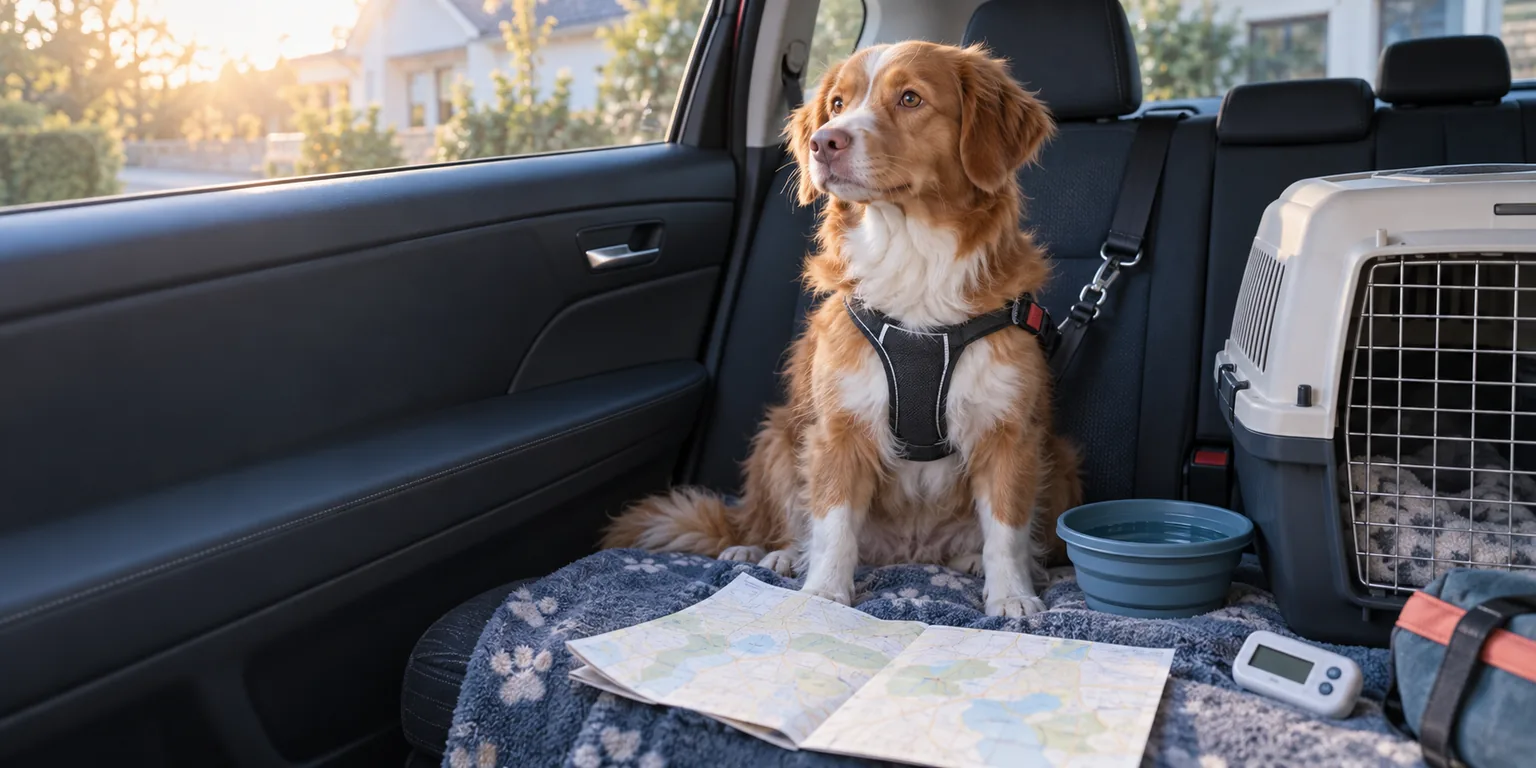
Make the carrier ordinary before it becomes urgent
Carrier training works best as a gradual routine over several days or weeks. The goal is not to win a struggle on appointment morning; it is to make the carrier predictable, allow voluntary investigation, and return to an easier step when the cat shows stress. Never open a carrier in an unsecured place or force a frightened animal through a shrinking window of tolerance.
| Stage | Ready signal | Move back when |
|---|---|---|
| Carrier open in a familiar room | Cat can eat, rest or pass near it without avoiding the room. | Hiding, freezing or refusing normal rewards. |
| Cat enters voluntarily | Cat remains relaxed while the door is touched briefly. | Pawing, vocalising or rushing out repeatedly. |
| Short lift and calm travel practice | Recovery is quick and normal behaviour returns. | Stress persists after the session or appetite/routine changes. |
A seven-to-fourteen-day ladder
- Place a stable, clean carrier in a quiet room with the door secured open.
- Add familiar bedding and reward calm investigation at a distance the cat can handle.
- Reward looking inside, then one paw, then a full voluntary entry. Do not close the door yet.
- Touch and move the door for one second, then return to open. Increase only when the cat recovers easily.
- Lift the empty or lightly occupied carrier briefly, set it down, and reward calm. Add car sounds and a very short stationary car visit later.
- Practice a short route only after the earlier stages are boring. Record the signal, duration and recovery time.
What changes the plan
If the cat stops eating, remains distressed, becomes aggressive, pants, drools excessively or cannot recover after a session, stop and ask a veterinarian about a safer plan. Medication, pheromones or a different carrier may be appropriate only with professional advice; do not improvise a dose.
Keep the record short
After each session, write the distance from the carrier, the step attempted, the reward used, the stress signal and the recovery time. This prevents accidentally increasing two difficulties at once, such as closing the door and carrying the cat on the same day. The next session should repeat the last easy success before adding one change.
Boundary: training does not replace emergency transport. Secure the carrier, keep the cat inside during travel, and never leave an animal in a hot or cold vehicle.
Continue with the transport plan and preparing for a veterinary call once the cat can tolerate the routine.
Sources: ASPCApro: teaching cats to ride in carriers; Cats Protection: choosing and using a carrier.